


When a case moves to the courtroom, Southlake’s Municipal Court serves as the next step in the criminal justice process – and the team is filled with individuals ready to serve with integrity, dedication, and a commitment to excellence.
As the City’s judicial branch, the court handles Class C misdemeanor offenses, including traffic violations, city ordinance infractions, and other low-level cases. The team treats every case as an opportunity to educate, balancing accountability with compassion in their mission to uphold the law. Knowing that trips to the court can be intimidating, they take the time to ensure residents not only meet their legal obligations but also gain a clear understanding of the process.
At the counter and behind the bench, the Municipal Court team ensures every visitor is treated with dignity. Partnering with Southlake Police and other departments, they provide a seamless experience and deliver justice in a manner that is fair, accessible, and respectful, while continually improving services for the community.
Beyond the courtroom, the team’s commitment to education shines through programs like Teen Court, which offers students the chance to experience real-world judicial proceedings while promoting accountability and civic responsibility. Teens serve as jurors, lawyers, and clerks in peer-led cases, learning valuable lessons about the law and leadership along the way.
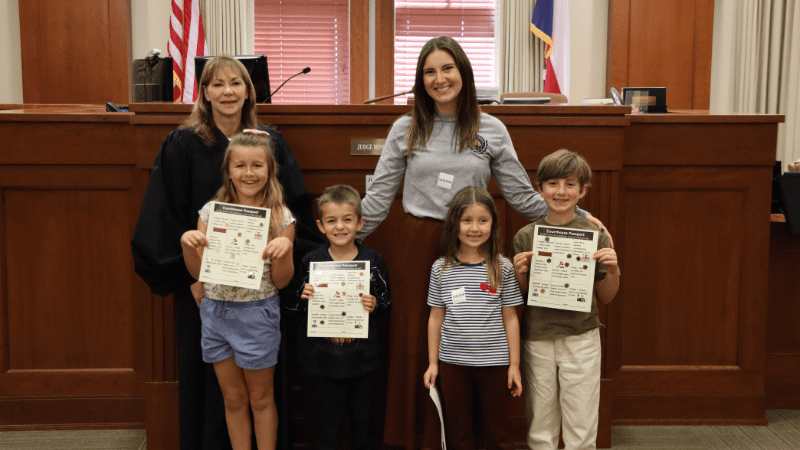
The team also connects with residents through community events like Trunk or Treat and school visits, including a recent session with students from the Meraki School who came to visit the Municipal Court to learn about the role of judges. These outreach efforts help make the judicial process more approachable, building trust and showing that the court is not just a place of rulings — it’s a place of learning, support, and connection.

From daily interactions to public outreach, the Southlake Municipal Courts team embodies what it means to serve with heart. This Municipal Courts Week, their work reminds us that people, understanding, and the lasting impact of care should always be at the heart of the pursuit of justice.


